
Eco-Friendly Printing
Most merch that gets called sustainable is a conventional garment with a green label on the packaging. The difference sits in three places: what the product is made from, how it gets decorated, and how many were ordered in the first place.
This page covers what we can actually document on each of those, and where we cannot. If sustainability is a scored line in your procurement process, that distinction is the part that matters.
Firebird Prints supplies sustainable apparel and branded merchandise across Metro Vancouver, with material and certification references available for the specific items you are quoting.









What Actually Changes a Merch Order's Footprint
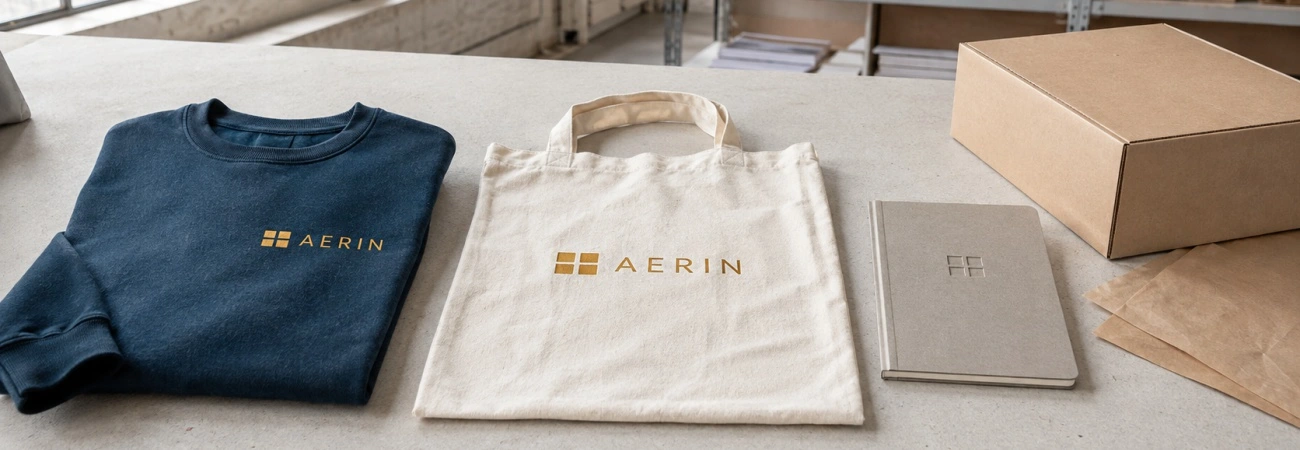
Three decisions carry almost all of the environmental weight in a branded merchandise order, and they are not equally important.
The material comes first. A certified organic cotton tee and a conventional one look identical on a rack and are very different upstream. This is the largest single lever and the easiest to document.
The ink comes second. It changes the hand feel, the recyclability of the finished garment, and what gets washed out during production.
The quantity comes third, and it is the one nobody talks about. Two hundred shirts that sit in a storage room have a worse footprint than eighty that get worn. No material choice recovers from overproduction.
Water Based Ink vs Plastisol on Cotton
Plastisol sits on top of the fabric as a layer of PVC and plasticiser. It is durable, it holds bright colour on dark garments, and it leaves a plastic film on the shirt.
Water based ink uses water as the pigment carrier instead. It soaks into the cotton rather than sitting on it, so the print has a softer hand feel and the garment stays a single material. On light cotton it is the better environmental choice and usually the better looking one.
It is not the right answer everywhere. On dark garments and polyester blends, water based ink struggles for opacity and plastisol remains the practical option. We will tell you which one your artwork and fabric actually call for rather than defaulting to whichever sounds greener.
For full colour artwork and photographic designs, DTF printing skips screens entirely, which removes the screen reclaim chemistry from the process. For simple artwork at volume, screen printing with water based ink is still the cleanest result on cotton.
Materials We Can Put a Document Behind
These are the options we can supply with material composition and certification references attached, which is a shorter list than most suppliers publish.
- Organic cotton grown without synthetic pesticides, available across t-shirts, hoodies and tote bags
- Bamboo used in selected promotional items where a plastic body is the usual default
- Wood and cork for desk items and small gifts
- Reusable drinkware where a branded bottle or tumbler displaces disposable cups over its life, which is the clearest waste reduction available in the promotional category
If you are looking at something outside this list, ask. We would rather check with the mill than guess in a quote.
Coordinated kits are covered in our eco-friendly merch collection.
How to Order Merch Without Producing Waste
Material choice gets all the attention. These are the ordering decisions that change the footprint more.
- Order to actual need. The biggest source of waste in branded merch is the extra fifty units nobody asked for. We will tell you when a smaller run makes more sense than reaching for the next price break.
- Combine your orders. Running several designs together in one production window reduces setup waste and material offcuts compared with three separate small jobs across the year.
- Treat durability as sustainability. A print that cracks in six months means the whole garment gets replaced. Correct curing and the right method for the fabric extend product life, which outweighs most material level differences.
- Choose items with a second use. A tote or a bottle that stays in someone’s bag beats a novelty item that gets one photo and a bin.
- Keep production local. Sourcing and producing within Canada takes cross border freight out of the supply chain, and it shortens the timeline when something needs to be fixed.
Who Holds the Certificate, the Mill or the Printer
This distinction gets blurred constantly in our industry, so here is where we stand. Firebird Prints does not hold OEKO-TEX, GOTS or FSC certification. The mills and suppliers behind the products we source do.
That means we can hand you a certificate for the garment, the fabric or the paper stock in your order. We cannot hand you one for our own operation, and any supplier telling you otherwise is describing their supply chain, not their shop.
The practical version: tell us which items you are considering, and we will come back with the composition and the certification reference for those specific products before you commit to anything.
Canada's Greenwashing Rules Now Apply to You
In 2024 Canada amended the Competition Act to require that environmental claims about a product be backed by adequate and proper testing, and that broader claims about a business be substantiated on internationally recognised methodology. Since June 2025, private parties can bring applications directly to the Competition Tribunal.
For most buyers this lands somewhere unexpected. It is not the print shop that publishes the claim. It is the company handing out the shirt and writing sustainable on its own website.
What that means when you order from us: we will not put a claim in writing that you cannot defend. If a product has a certificate, you get the certificate. If it is simply a better material without third party certification, we will say that instead, because a vague green adjective is exactly the kind of statement the amendments were written for.
This is not legal advice, and your own counsel should review anything you publish. But you should not be finding out about it after the merch is printed.
Who Orders Sustainable Merch in Metro Vancouver
Universities and student groups, health authorities, municipalities, non profits and environmental organisations, certified B Corps, and companies with ESG or CSR reporting obligations. Alongside them, a growing number of brands whose customers simply expect it and ask.
We work with clients across Vancouver, Burnaby, Richmond, Surrey, North Vancouver, the Tri-Cities and the wider region, with shipping across BC and Canada.
What We Can Send Your Procurement Team
If sustainability is scored in your purchasing process, tell us at quote stage rather than after approval. For the specific items on your quote we can provide:
- Material composition and the certification reference held by the mill
- Ink and decoration method specifications
- Supplier details for your vendor questionnaire
- Production and origin information for reporting
We would rather give you something accurate you can put in front of a committee than a marketing line you have to defend later. Where an item has no certification, we say so and you decide.

- Terrific customer service -- I had a rush order and Firebird did a great job. When a girl needs Hollander and Rozanov hockey jerseys for a Heated-Rivalry-themed dance party, time is of the essence....
- We had an amazing experience working with Mohammed, Ashley, and the entire team. From start to finish, everyone was professional, responsive, and incredibly helpful.This was our very first business...
- Excellent experience with FireBird Prints! The custom tablecloth turned out beautifully with vibrant colors, crisp printing, and great material quality. Fast turnaround, professional service, and...
- Found the company strictly from its reviews and was a bit nervous since I completed the transaction online and payment was upfront. But price was good and so took a chance. I am so happy with the...
- We cannot say enough wonderful things about Firebird Prints!No matter how last-minute our requests are, the team at Firebird Prints always comes through for us. They consistently go above and...
Sustainable Printing FAQ
What makes printing eco-friendly?
3 things, in order of impact: the material the product is made from, the ink and decoration method, and how many units get produced. Certified organic materials, water based ink instead of plastisol on cotton, and ordering to actual need rather than overproducing are the decisions that move the number most.
Are water based inks better for the environment than plastisol?
Water based inks use water as the pigment carrier rather than PVC and plasticisers, so no plastic layer is left on the garment and the print has a softer hand feel. They work best on cotton and light fabrics. Plastisol remains the more practical choice on some dark and synthetic garments, so the honest answer is that the best environmental choice depends on the fabric.
Can you provide certificates for a tender or supplier questionnaire?
Yes, for the products themselves. The certificates come from the mills and suppliers behind the items, not from us, and that is how they should be presented to your procurement team. Tell us which items you are considering and we will pull the composition and certification references for those specific products.
Does eco-friendly printing cost more?
Certified organic and recycled garments generally carry a higher unit cost than conventional blanks. The gap narrows at volume, and it often closes entirely when the alternative is replacing merchandise that did not last. We will quote both so you can see the actual difference rather than assume it.
What is the single most sustainable choice in branded merchandise?
Ordering less of something people will actually keep. A well made reusable item that stays in use for years outperforms a larger run of low cost giveaways on every environmental measure, regardless of what either is made from.
Is Firebird Prints certified for sustainability?
No, and we would rather say that plainly. We do not hold an environmental certification for our own operation. What we can document sits at the product level, in the materials and the inks, and that is what your reporting actually needs anyway.
Can I describe this merch as eco-friendly in my own marketing?
That depends on how specific you are. Under the 2024 Competition Act amendments, a general claim like sustainable needs substantiation, while a specific factual statement such as certified organic cotton, with the certificate behind it, is a much safer thing to publish. We will give you the specifics so your marketing team has something concrete to work from.
Fill out this quick form. We will get back shortly!
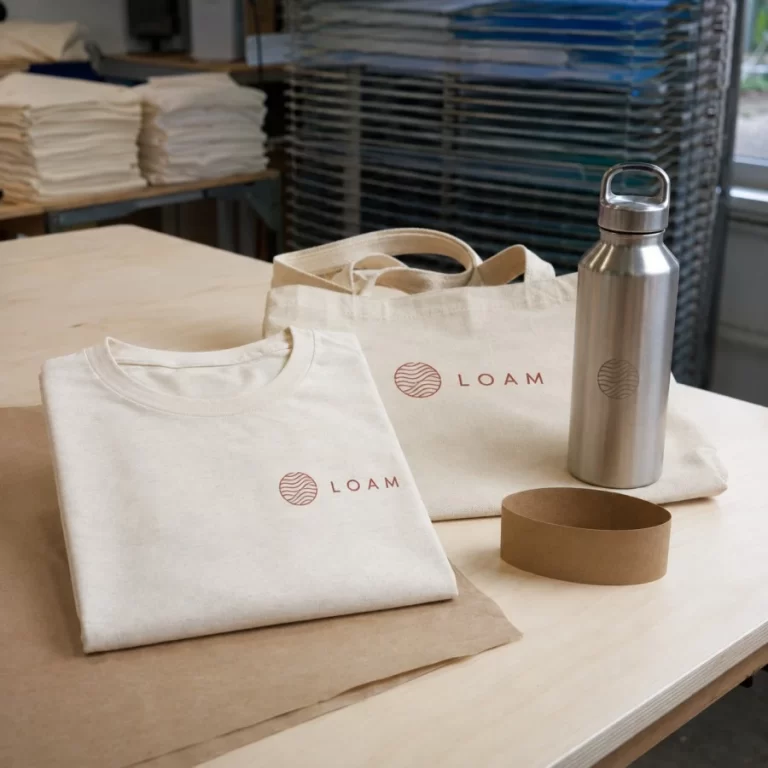
Order as many as you want
Rush Production Available
Get Your 20% Off
Bigger Orders, Bigger Savings
info@firebirdprints.com
+1 778 368 0288