



Preparing for a trade show involves far more than setting up a table and displaying a few promotional items. Successful exhibitors plan their booth materials carefully so that every printed element supports visibility, brand recognition, and visitor engagement.
Businesses that attend conferences and exhibitions often invest significant resources into booth space, travel, and staffing. Printed marketing materials help ensure that investment translates into meaningful conversations, brand exposure, and qualified leads.
The most effective trade show booths use a combination of large visual displays, practical printed materials, and branded merchandise that visitors can take with them.
Companies planning their event marketing strategy often start by exploring the essential products used in professional trade show displays and booth marketing, then build a set of printed materials that support their goals during the event.
In addition to printed materials, many businesses rely on giveaways to increase engagement. A practical guide on best promotional items for trade shows highlights which items perform best at events.
Why Printed Materials Still Matter at Trade Shows
Even in a digital-first marketing environment, printed materials remain one of the most effective tools for trade show marketing. Visitors walking through exhibition halls are surrounded by hundreds of booths competing for attention. Physical displays and printed signage help businesses stand out quickly.
Large visual graphics attract attention from a distance, while smaller printed materials help continue the conversation once someone stops at the booth.
When these elements work together, they create a clear and memorable brand presence that encourages attendees to approach, interact, and remember the company after the event.
Booth Banners That Capture Attention
Banners are among the most important printed elements in a trade show booth. They provide immediate brand visibility and communicate the core message of a company within seconds.
Trade show banners usually feature:
- the company logo
- a clear headline or value proposition
- a visual element that reflects the brand
- minimal text for quick readability
Because attendees often scan booths while walking through busy aisles, banners should focus on clarity rather than dense information.
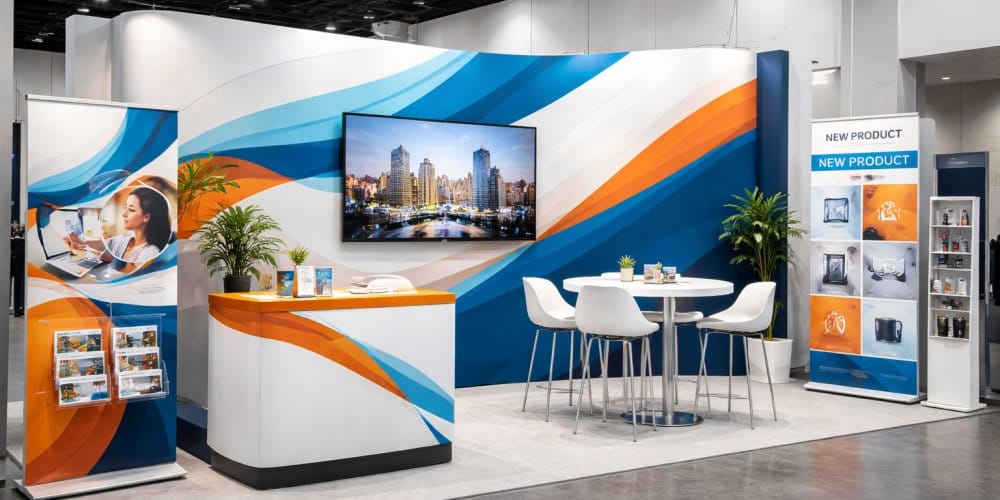
Many exhibitors use large custom banners for trade show displays to ensure their brand is visible across the exhibition floor. These banners typically act as the visual anchor of the booth.
Table Covers That Reinforce Brand Identity
Most trade show booths include a table where representatives speak with visitors, distribute brochures, or display products. Custom table covers help transform that table into a branded presentation surface.
A well-designed table cover can:
- reinforce brand recognition
- create a more professional booth appearance
- hide storage items under the table
- visually connect with banners and backdrops
Companies often include branded table covers for trade show booths as part of their booth setup because they create a clean and cohesive presentation without requiring additional space.
Flags and Vertical Displays for Visibility
In large exhibition halls, vertical displays help companies stand out above the crowd. Flags and tall signage can often be seen from a distance, guiding attendees toward a booth even in busy environments.
These displays work particularly well in booths located along major aisles or near entrances where visibility from afar can significantly increase foot traffic.
Businesses frequently add promotional flags and vertical displays to their trade show marketing materials because they help expand visual presence beyond the immediate booth area.
Brochures and Printed Handouts
While large displays capture attention, smaller printed materials help continue the conversation once visitors approach the booth. Brochures, flyers, and printed information sheets allow companies to explain products or services in greater detail.
Effective trade show brochures typically include:
- a concise overview of services or products
- key differentiators or benefits
- contact information
- a call to action encouraging follow-up
Attendees often collect several brochures during an event, so the design should be clean and easy to read. Simple layouts and clear messaging tend to perform better than crowded pages.
Business Cards for Follow-Up Connections
Even though many companies now collect digital leads, business cards remain a simple and effective way to exchange contact information at events.
Visitors frequently keep business cards for reference after the show, especially when they plan to follow up later with vendors or service providers.
Professional custom business cards for trade show networking help ensure that booth conversations can continue after the event ends.
Branded Merchandise That Visitors Take Home
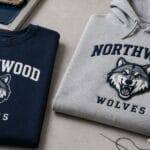
Promotional merchandise plays an important role in trade show marketing because it extends brand exposure beyond the event itself. While printed materials provide information, branded items often remain in use long after attendees return home.
Companies frequently include practical items such as apparel, tote bags, or stickers as part of their booth strategy. These items encourage visitors to remember the brand and may even generate additional visibility as attendees carry them throughout the event venue.
Selecting merchandise that is genuinely useful increases the chances that attendees will keep and use the items instead of discarding them after the show.
Creating a Cohesive Trade Show Booth
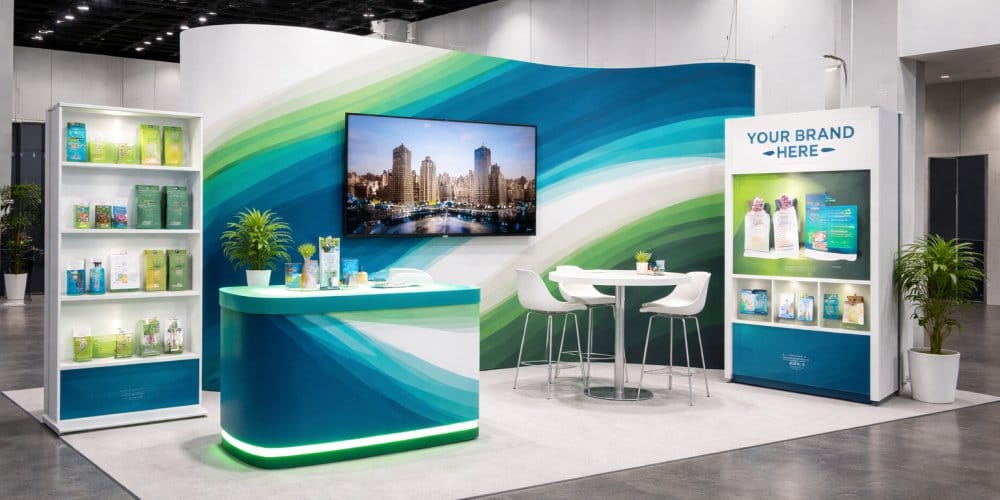
The most successful trade show booths use printed materials strategically rather than randomly. Every printed element should support the overall goal of the booth, whether that goal is generating leads, building brand awareness, or launching a new product.
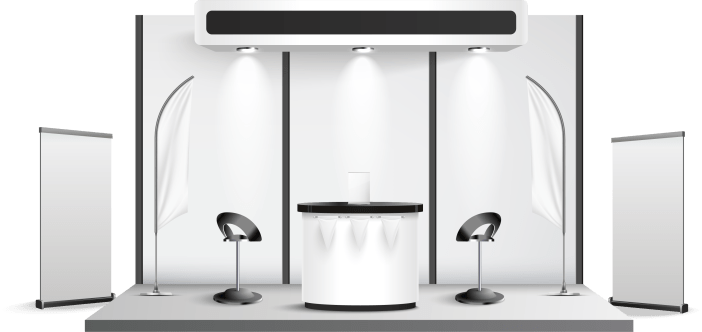
A cohesive booth setup often includes a combination of:
- large visual displays such as banners or backdrops
- branded table covers or booth surfaces
- vertical signage that increases visibility
- brochures or printed handouts for conversations
- business cards for networking and follow-up
When these materials are designed together, they create a professional and consistent brand experience that helps companies stand out during busy exhibitions.
Businesses preparing for their next event often expand their booth setup with additional promotional products and branded materials. Many of these items are commonly included in curated collections of trade show essentials for professional event marketing, which combine printed displays, promotional merchandise, and booth branding elements into a complete event strategy.
By selecting the right printed materials and designing them with clarity and consistency, companies can transform a simple booth space into a memorable brand experience that attracts visitors and encourages meaningful conversations.