




Choosing the right fabric is one of the most overlooked decisions in custom apparel. While printing methods get most of the attention, fabric quality has a direct impact on how a design looks, feels, and holds up over time.
For businesses, creators, and event organizers looking into custom T-shirt printing in Vancouver, understanding fabric differences helps avoid common mistakes like faded prints, poor fit, or garments that feel cheap after a few washes.
This guide breaks down the most important factors that affect fabric selection, including cotton vs synthetic materials, GSM weight, durability, and how fabric influences print clarity. Whether you are producing branded merchandise, uniforms, or retail-quality apparel, the right fabric choice ensures your final result looks intentional and professional.
If you are still comparing overall printing approaches, you may want to review our main guide to custom t-shirt printing in Vancouver before diving deeper into garment selection.
Cotton vs Polyester for T-Shirt Printing
Fabric composition plays the biggest role in how ink interacts with a garment. The two most common materials used in printed apparel are cotton and polyester, each with distinct advantages depending on the project.
Cotton remains the most popular option for custom T-shirts because of its natural softness and strong ink absorption. It works especially well for prints that require depth and a more organic finish. Cotton fibers allow ink to settle naturally, which often results in a softer hand feel compared to synthetic blends.
Polyester, on the other hand, is known for durability and moisture resistance. It is commonly used in athletic apparel or performance wear. However, polyester can react differently with certain print techniques, and color vibrancy may vary depending on the method used.
Blended fabrics, such as cotton-poly mixes, offer a balance between comfort and durability. These are often chosen for mid-range apparel where cost efficiency and wearability both matter.
Fabric choice should always be aligned with how the shirts will be used. Retail merchandise and lifestyle apparel usually favor cotton, while performance-driven applications may lean toward blends or synthetics.
What GSM Means in Custom T-Shirts
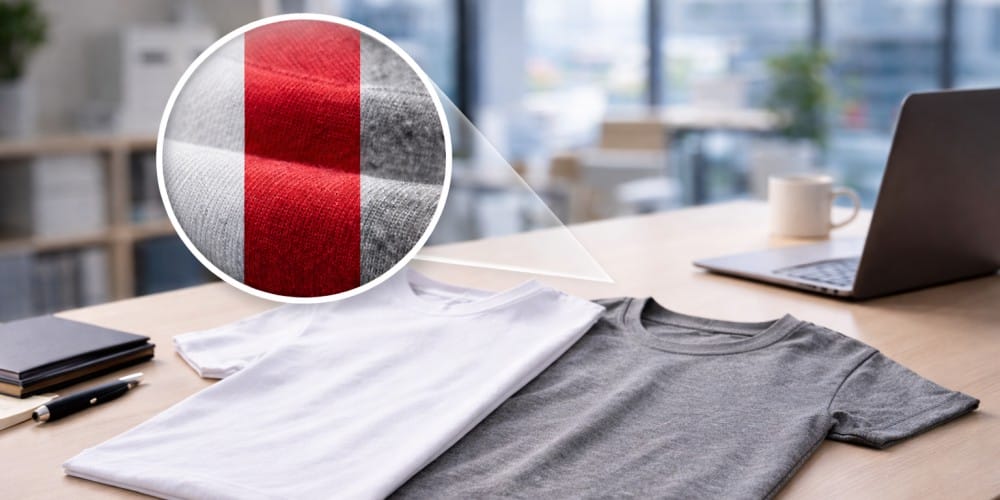
GSM, or grams per square meter, refers to the weight and density of a fabric. This metric helps determine whether a T-shirt feels lightweight and breathable or structured and premium.
Lightweight fabrics typically fall in the 120–150 GSM range. These shirts are breathable and comfortable, making them suitable for large events, giveaways, or summer campaigns. However, thinner fabrics may not always provide the best base for highly detailed prints.
Midweight shirts, usually between 160–180 GSM, offer a balanced feel. They maintain comfort while providing enough structure to support clean printing results. This range is commonly used for business apparel and branded merchandise.
Heavyweight fabrics start around 200 GSM and above. These shirts feel thicker, hold their shape well, and are often associated with premium or retail-quality apparel. Heavier fabrics tend to enhance perceived value, which is why many brands use them for product-based merchandise.
Understanding GSM helps avoid mismatched expectations. A lightweight shirt can still print well, but it will never feel like a premium retail garment, even with the best artwork.
Heavyweight vs Lightweight T-Shirts for Printing
Beyond GSM numbers, weight influences how customers perceive the final product. Lightweight shirts are often chosen for affordability and comfort. They are ideal for high-volume orders where cost control is a priority.
Heavyweight shirts create a different impression. They feel substantial, drape differently, and are often associated with higher-end branding. For companies launching merchandise or building apparel lines, fabric weight can shape how customers perceive the brand itself.
The decision between lightweight and heavyweight apparel should reflect the intended use. Event shirts designed for one-time wear do not require the same material standards as retail merchandise meant for repeat use.
If you are comparing pricing tiers, you may find it helpful to explore our breakdown of Cheapest vs Best Value T-Shirt Printing in Vancouver to understand how fabric impacts overall cost and perceived quality.
How Fabric Affects Print Quality
Fabric texture directly affects how ink sits on a garment. Smooth surfaces tend to produce sharper prints, while rougher weaves may slightly diffuse fine details.
Cotton fabrics typically provide a more matte finish and allow ink to integrate into the fibers. This creates a softer feel but can slightly mute ultra-bright colors depending on the printing approach.
Synthetic fabrics often produce more vibrant surface-level results, especially when using transfer-based techniques. However, the tactile feel may differ from natural fibers.
Another factor is fabric stretch. Shirts with high elasticity may distort designs over time, especially if the print area experiences repeated tension. This is particularly important for athletic fits or slim-cut apparel.
Fabric stability helps maintain print alignment and clarity over repeated washing cycles. Higher-quality garments generally retain structure better, which preserves both fit and design positioning.
Best Fabric for DTF Printing
Modern transfer-based printing methods are known for their flexibility across different fabric types. DTF printing performs well on cotton, blends, and even synthetic garments, making it one of the most versatile options available today.
Because DTF transfers sit on the surface rather than soaking into fibers, they maintain consistent color vibrancy across multiple materials. This makes fabric selection less restrictive compared to traditional printing techniques.
For projects that involve mixed garment types, such as combining cotton lifestyle shirts with polyester performance pieces, fabric flexibility becomes a major advantage.
If you are still evaluating different production approaches, our in-depth comparison of DTG vs DTF vs screen printing can help clarify which direction aligns best with your fabric choices.
Best Fabric for Screen Printing
Screen printing has long been associated with durability and consistency, especially in bulk production. It performs exceptionally well on cotton and midweight fabrics that provide a stable base for ink layering.
Natural fibers allow screen-printed ink to bond effectively, which is why cotton shirts are often the preferred choice for large runs. The combination of durability and color consistency makes this pairing common in uniforms, event apparel, and promotional merchandise.
Fabric smoothness also plays a role in achieving clean edges and consistent coverage. Higher-quality garments tend to produce more uniform results, especially when printing bold logos or simple graphic designs.
Businesses producing high-volume apparel often prioritize fabric consistency to ensure uniform results across all garments in a batch.
Fabric Selection for Budget vs Premium Apparel
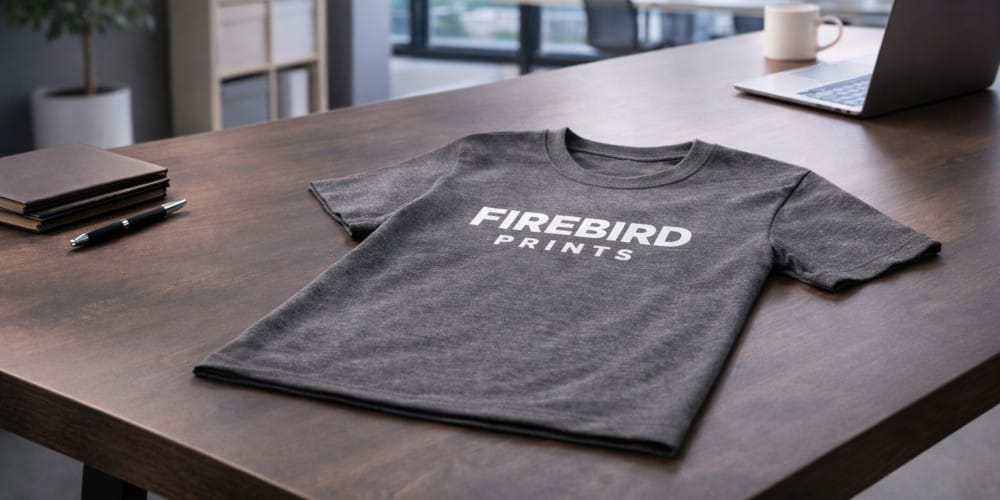
Fabric is one of the clearest dividing lines between budget and premium custom T-shirts. Budget-friendly garments typically use lighter fabrics and simpler weaves, which helps reduce cost but may limit long-term durability.
Premium apparel focuses on comfort, structure, and longevity. Higher thread quality and heavier fabrics contribute to a more refined feel. These differences are often noticeable immediately when holding the garment.
For brands planning to sell apparel rather than distribute it as giveaways, fabric quality becomes a core part of the product experience. Customers associate fabric feel with brand value, making garment selection just as important as the print itself.
Understanding this distinction helps avoid mismatched expectations. A high-quality print on a low-tier shirt can still feel underwhelming, while a well-chosen premium garment can elevate even minimal designs.
Fit Types and How They Influence Print Presentation
Fit is another often overlooked factor that influences how prints appear on the body. Classic fits provide a relaxed silhouette and are widely used for uniforms and general-purpose apparel.
Retail or fashion fits tend to be more tailored. These shirts may have narrower sleeves and a more contoured body shape, which changes how designs sit visually when worn.
Oversized fits, which have become more common in modern streetwear, create a different canvas for printing. Larger silhouettes can shift design placement strategies, especially for back prints or oversized graphics.
Choosing the right fit ensures the design aligns with the intended aesthetic. A premium garment paired with a mismatched fit can dilute the overall impact of an otherwise strong print.
If you are deciding on layout positioning, consider reviewing our t-shirt print size guide and placement guide to align fabric and fit with the final design layout.
Fabric Durability and Wash Performance
Long-term performance depends heavily on how a fabric reacts to washing and wear. Natural fibers may soften over time, while synthetic blends often retain structure longer.
Heavier fabrics generally resist distortion better, which helps maintain both fit and print alignment. This is particularly important for apparel intended for repeated use, such as uniforms or branded merchandise.
Lower-density fabrics may be more prone to stretching or shape changes, especially under frequent washing. While this does not always affect print integrity, it can impact overall garment longevity.
Fabric stability also contributes to how well prints age visually. Even when the ink remains intact, fabric wear can influence how polished a garment looks over time.
Selecting the right fabric from the beginning helps ensure that both the garment and the print maintain their intended appearance.
Choosing Fabric Based on Your Project Goals
The best fabric choice ultimately depends on how the shirts will be used. Event giveaways and short-term campaigns usually prioritize cost efficiency and breathability. Lightweight fabrics are often suitable in these scenarios.
Corporate apparel and staff uniforms benefit from midweight fabrics that balance durability and comfort. These shirts need to hold up through repeated wear without feeling overly heavy.
Retail merchandise and brand-driven apparel typically favor heavier fabrics with premium construction. These garments create a stronger perceived value and align with product-based branding.
Understanding the end goal simplifies decision-making. Fabric selection should support the role the apparel is meant to play, whether it is promotional, functional, or product-focused.
Why Fabric Knowledge Matters Before You Print
Many printing issues attributed to “bad prints” are actually fabric mismatches. Choosing the wrong garment type can limit the potential of even the best artwork and production methods.
Fabric knowledge helps avoid costly reprints and ensures expectations align with the final result. It also allows customers to make informed decisions without relying solely on assumptions about quality.
When fabric, printing method, and design are aligned from the start, the outcome feels intentional rather than accidental. This alignment is what separates average custom apparel from truly polished results.
For businesses and creators investing in branded apparel, understanding fabric fundamentals is one of the simplest ways to improve outcomes without increasing complexity.
Final Thoughts on Choosing the Right T-Shirt Fabric
Fabric is more than just a base layer for printing. It shapes how a design feels, how long it lasts, and how people perceive the final product. From GSM weight to fiber composition, each detail contributes to the overall experience of wearing a printed shirt.
By understanding the differences between cotton and blends, lightweight and heavyweight fabrics, and budget versus premium garments, customers can approach custom apparel with greater clarity and confidence.
If you are planning a project and want a deeper understanding of how garment selection fits into the broader production process, exploring a complete guide to custom t-shirt printing can help connect fabric decisions with printing methods and timelines.
Choosing the right fabric early ensures your final result not only looks good on day one but continues to perform well long after the first wear.