


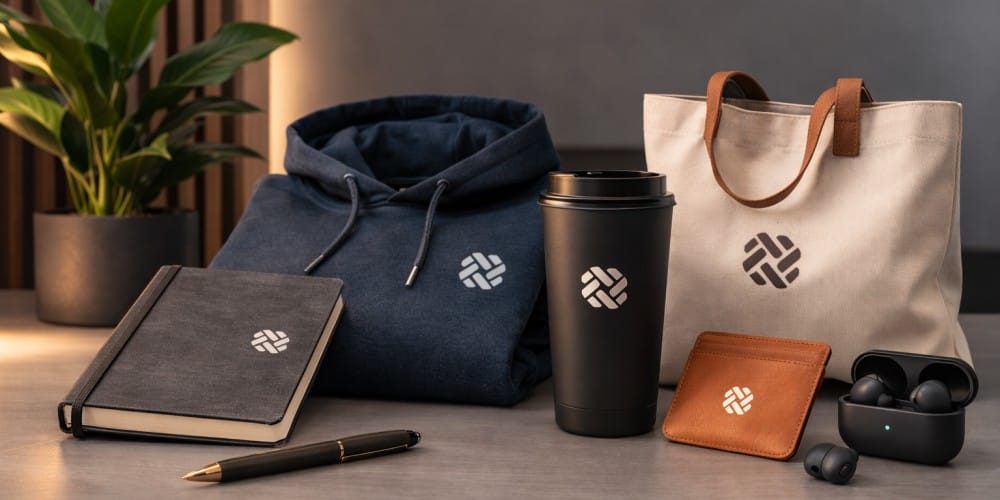
Corporate merchandise has been part of workplace culture for decades, but not every branded item employees receive actually gets used. Many companies spend money on promotional products that end up forgotten in drawers or discarded after a few weeks. The most successful corporate swag items are practical, comfortable, and relevant to everyday life.
For companies building a thoughtful merchandise strategy, the goal should not simply be to distribute branded items. The real objective is to provide products employees genuinely appreciate and continue using long after they receive them. This approach strengthens company culture, improves brand visibility, and makes internal initiatives such as onboarding or employee appreciation programs more meaningful.
Businesses exploring options for employee merchandise often start with curated collections of corporate merchandise designed for internal branding and team engagement, such as the products featured in the Corporate Merch collection.
Why Practical Corporate Swag Matters
Employees interact with company-branded items in very different ways than customers do. While promotional products at events are often disposable, internal merchandise tends to stay in daily use if it is well designed and functional.
Effective corporate swag should meet three basic criteria:
- It should be useful in everyday situations
- It should feel comfortable or premium enough to keep
- It should reflect the company brand without feeling overly promotional
When these elements are combined, corporate merchandise becomes part of employees’ routines. Instead of being viewed as promotional items, they become personal belongings that represent their workplace identity.
Companies that approach corporate swag strategically often include branded merchandise in onboarding kits, employee recognition programs, internal events, and milestone celebrations.
Apparel Employees Actually Wear
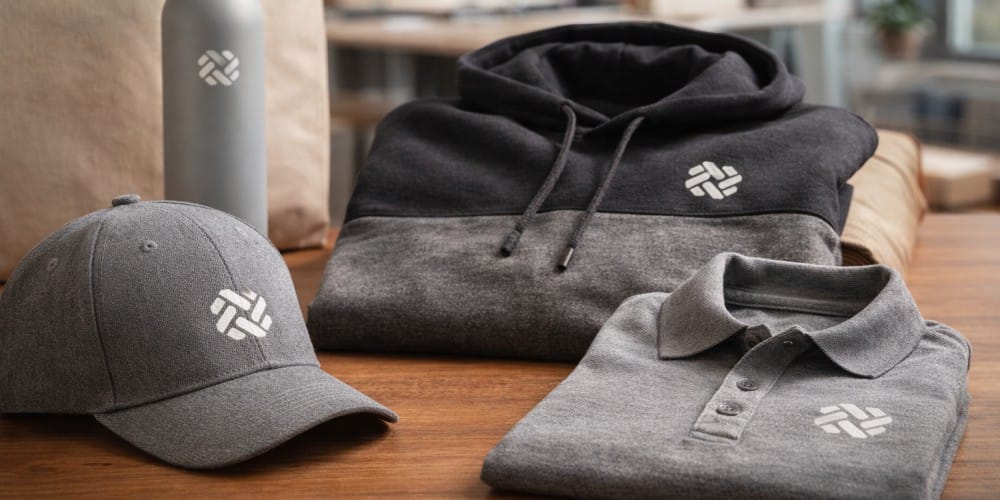
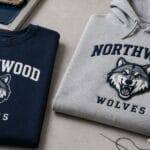
Branded apparel consistently ranks among the most effective forms of corporate merchandise. Clothing items are used frequently and allow employees to represent their company casually in both professional and personal environments.
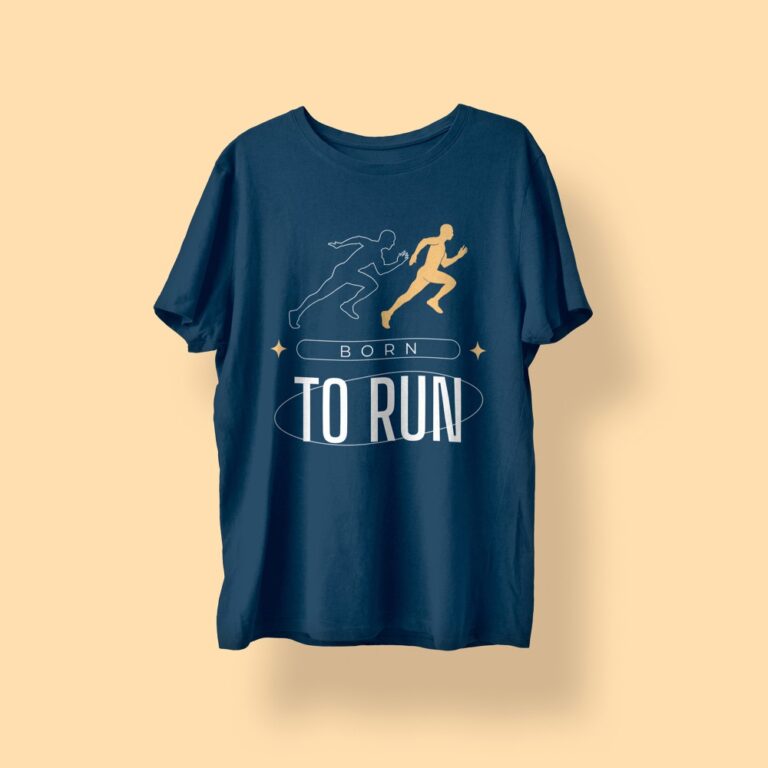
Among apparel options, comfortable branded shirts remain one of the most reliable merchandise choices for teams, which is why many companies start with Custom T-Shirt Printing for internal programs and events.
Well-designed company T-shirts work particularly well when:
- They feature minimal branding rather than large logos
- The design feels modern and wearable outside the office
- The fabric quality is comfortable for everyday use
Beyond T-shirts, many organizations also introduce branded outerwear as part of their merchandise strategy.
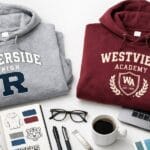
For example, companies that operate in colder climates or hybrid work environments often provide Custom Hoodies as part of their employee merchandise packages. Hoodies tend to stay in use for years because they combine comfort with practicality.
When apparel items are thoughtfully designed, employees often continue wearing them outside work settings, creating natural brand exposure.
Tote Bags for Everyday Utility
Among non-apparel merchandise, tote bags are one of the most widely used corporate items. Employees frequently use them for commuting, grocery shopping, or carrying laptops and documents.
Because tote bags are practical in so many situations, they tend to remain in use much longer than other promotional items. Many organizations incorporate them into onboarding kits or internal welcome packages.
Businesses creating merchandise programs often choose Custom Tote Bags as a versatile item that works across departments and events.
Well-designed tote bags work particularly well when they include:
- Durable fabric suitable for daily use
- Subtle branding or modern design
- Sufficient size for everyday items
Employees appreciate products that simplify daily routines, which is why tote bags consistently perform well in corporate merchandise programs.
Headwear That Feels Casual and Wearable
Headwear is another merchandise category that employees frequently use outside work. Caps and hats can become part of everyday outfits, especially in casual workplaces or companies with outdoor teams.
When businesses choose quality materials and minimal branding, hats often become one of the most worn items in a corporate merchandise lineup.
Companies looking to expand their apparel offerings sometimes include Custom Hats alongside shirts and hoodies to create a balanced merchandise selection.
This combination allows organizations to offer apparel options that suit different employee preferences.
Building a Corporate Merchandise Strategy
Selecting individual merchandise items is only one part of the process. The most effective companies treat corporate swag as part of a broader branding and culture strategy.
Instead of distributing random promotional products, they curate merchandise sets designed for specific moments such as:
- employee onboarding
- internal company events
- recognition programs
- team milestones
Organizations interested in building a structured merchandise program often start by exploring broader corporate merchandise options designed for internal branding initiatives, then select items that align with their culture and team needs.
This approach ensures every item serves a purpose rather than simply adding to promotional clutter.
Designing Corporate Swag Employees Appreciate
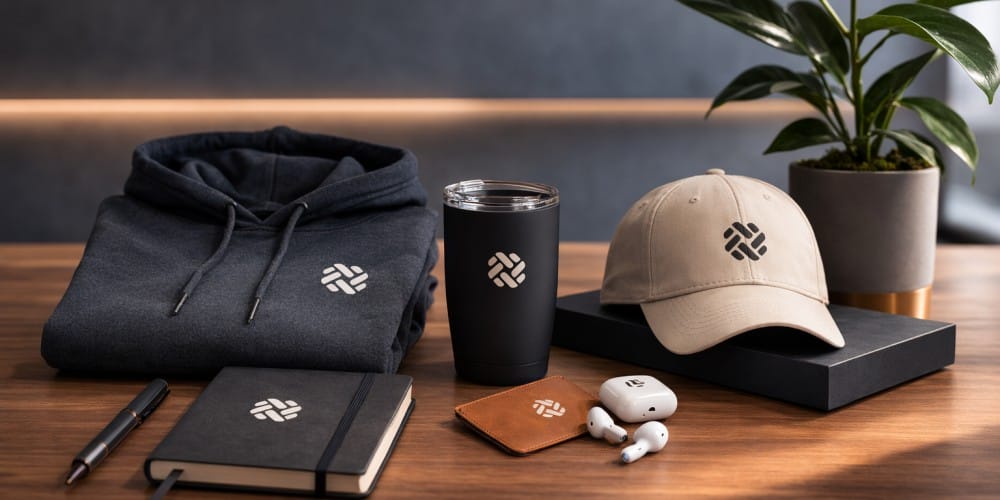
Design plays a major role in whether employees keep or discard branded merchandise. Overly promotional designs tend to feel like advertising, while thoughtful designs feel like lifestyle products.
Companies often see stronger engagement when they follow a few design principles:
- Keep branding subtle rather than oversized
- Use modern typography and simple graphics
- Choose neutral colors employees actually wear
- Focus on comfort and product quality
When corporate merchandise looks and feels like a product someone would buy themselves, employees are far more likely to keep using it.
Creating Merchandise That Reflects Company Culture
Corporate swag should reflect the personality of the company that distributes it. A creative agency might produce stylish apparel designs, while a technology company may prioritize functional items for remote work.
Instead of following trends blindly, successful companies select merchandise that aligns with their values and working environment.
This strategy helps employees feel connected to the brand rather than simply receiving another promotional item.
As companies refine their merchandise programs, many begin exploring structured kits designed for onboarding and internal culture building. One of the most common approaches involves creating curated merchandise packages for new hires, which is explored further in How to Build a Corporate Swag Kit for New Employees.
Corporate swag works best when it focuses on real utility rather than promotion. Employees appreciate merchandise that fits naturally into their daily routines, whether that means comfortable apparel, practical bags, or wearable accessories.
When businesses invest in high-quality items and thoughtful design, corporate merchandise becomes more than a marketing tool. It becomes part of workplace culture and a subtle extension of the company’s brand.
Organizations building employee merchandise programs typically start by identifying items their teams will actually use, then expand into broader branded merchandise collections as their internal branding strategy evolves.