





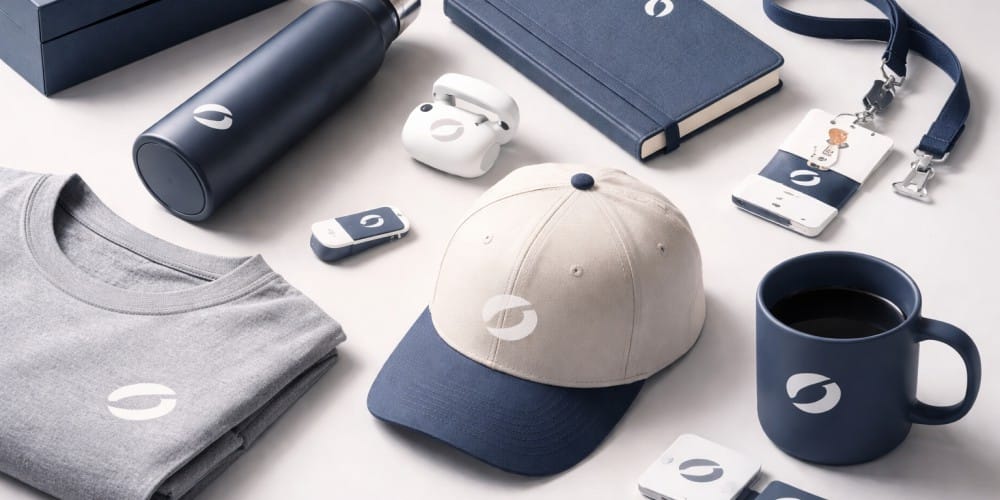
Welcoming a new employee is one of the most important moments in the relationship between a company and its team members. The onboarding experience shapes first impressions, influences how quickly someone feels connected to the workplace, and often sets the tone for long-term engagement.
Many companies now include a corporate swag kit as part of their onboarding process. When done thoughtfully, a swag kit can make new hires feel valued, help them become familiar with the company brand, and provide useful items they will continue using throughout their workday.
The key difference between an effective swag kit and a forgettable one is intentional design. Instead of filling a box with random promotional products, successful organizations build curated merchandise kits that combine practicality, comfort, and brand identity.
Businesses looking to develop a consistent merchandise program often start by exploring options within their broader Corporate Merch collection, then assemble items that reflect their culture and workplace needs.
Why Onboarding Swag Kits Matter
Starting a new job can be both exciting and overwhelming. A well-prepared welcome kit helps reduce that uncertainty by giving employees something tangible that represents the company they are joining.
Beyond the initial impression, onboarding kits serve several practical purposes:
- They help new employees feel included from the first day
- They reinforce brand identity within the workplace
- They provide useful items employees will use daily
- They create a consistent onboarding experience across teams
Organizations that invest in structured onboarding programs often find that small gestures like welcome kits contribute significantly to employee satisfaction and engagement.
Choosing Items Employees Will Actually Use
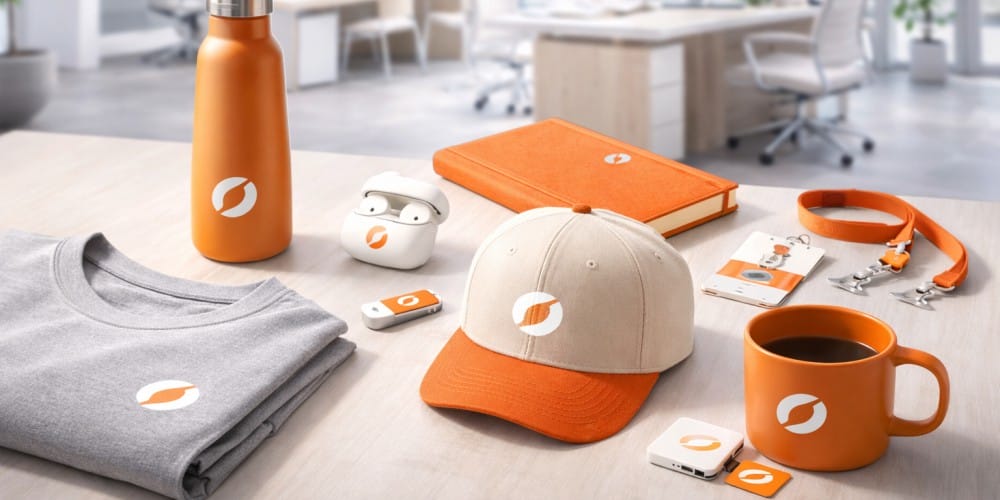
The most successful corporate swag kits focus on practical items that naturally fit into an employee’s routine. Products that support everyday work or personal comfort tend to remain in use much longer than purely decorative promotional items.
Rather than including many low-value products, companies usually see better results by selecting a few well-designed pieces of merchandise.
For example, apparel is one of the most common components of onboarding kits. Comfortable clothing helps employees feel connected to their company while also being something they can use outside of work.
Many organizations begin their merchandise programs with Custom T-Shirt Printing, since branded shirts are easy to size, practical for casual workplaces, and frequently worn during company events.
Another popular apparel option is hoodies, especially for companies with relaxed dress codes or remote teams. Including Custom Hoodies in a welcome kit gives employees a comfortable piece of clothing they are likely to keep and wear regularly.
Adding Functional Everyday Items
Beyond apparel, functional products help make a swag kit feel thoughtful and useful. Employees tend to appreciate items that simplify everyday tasks rather than purely promotional objects.
Tote bags are one example of merchandise that blends practicality with branding. Many companies include Custom Tote Bags in their onboarding kits because they can be used for commuting, carrying laptops, grocery shopping, or travel.
A durable tote bag often becomes one of the most frequently used items in the entire welcome package.
Accessories can also play a role in creating a balanced swag kit. Casual apparel accessories such as Custom Hats work well for companies with outdoor teams, lifestyle brands, or organizations that encourage informal workplace culture.
Including a mix of apparel and practical accessories helps ensure the kit appeals to a wide range of employee preferences.
Designing a Cohesive Welcome Kit
An effective swag kit should feel like a curated package rather than a random collection of branded products. Visual consistency plays an important role in creating that experience.
Companies often follow a few design principles when preparing their merchandise kits:
- Maintain consistent brand colors across all items
- Use minimal, modern logo placement
- Avoid overly promotional designs
- Select neutral colors employees are comfortable wearing
When the design feels thoughtful and cohesive, the kit reflects the professionalism of the company itself.
Packaging can also enhance the experience. A well-designed box or reusable bag can make the onboarding moment feel more memorable and intentional.
Aligning Merchandise with Company Culture
Every organization has its own workplace culture, and onboarding kits should reflect that identity.
A creative agency may choose bold apparel designs, while a technology company might focus on practical items for hybrid work environments. A sustainability-focused organization may prioritize reusable or eco-conscious merchandise.
The most successful swag kits mirror the values of the company distributing them. When merchandise aligns with the workplace culture, employees are more likely to feel proud of the brand they represent.
Creating a Structured Onboarding Experience
Corporate swag kits are most effective when they are integrated into a broader onboarding strategy. Instead of treating the welcome package as a one-time gift, many companies incorporate merchandise into multiple stages of employee engagement.
For example, organizations often distribute welcome kits on an employee’s first day, followed by additional merchandise for milestones such as:
- completing onboarding programs
- attending internal training events
- participating in company retreats
- celebrating work anniversaries
This approach helps merchandise become part of the company’s culture rather than a single promotional gesture.
Companies developing long-term merchandise programs often begin by identifying the types of products employees genuinely use, then expand their offerings with additional branded items over time.
Inspiration for those programs often comes from broader collections of corporate merchandise and curated resources such as Corporate Swag Ideas That Employees Actually Use, which explore practical items teams appreciate.
Making Onboarding Memorable
The most effective swag kits combine usefulness with thoughtful presentation. Instead of focusing on quantity, successful companies prioritize quality and relevance.
When employees receive items they genuinely enjoy using, corporate merchandise becomes more than just branding. It becomes part of their daily routine and a subtle reminder of the organization they belong to.
A carefully designed onboarding kit can transform a simple welcome gesture into a meaningful experience that helps new team members feel connected, valued, and excited to begin their journey with the company.